How to Fuel Your Workout: Simple Nutrition Plan for Muscle Gain & Fat Loss by The Power Genx
powergenx6 · 28 Jul 2026
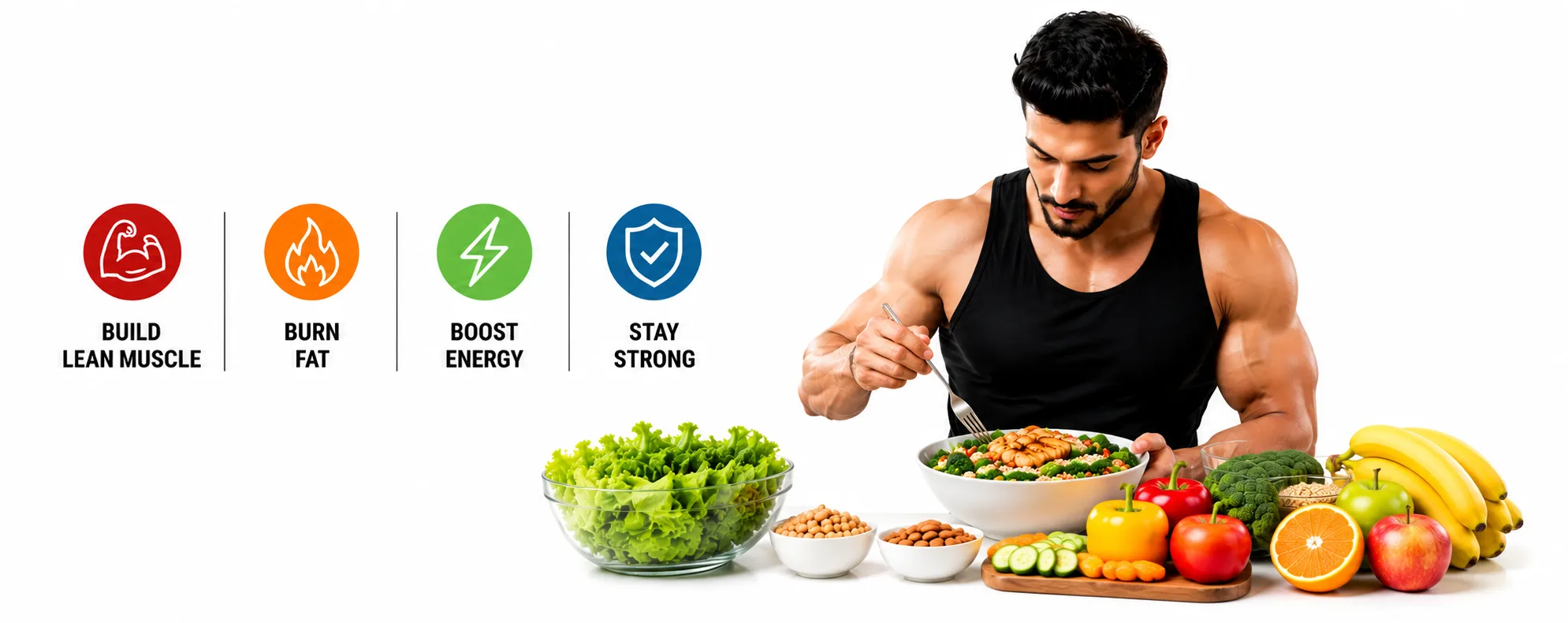
1. Why Your Workout Needs Fuel
You can follow the best training plan in the world, but if your nutrition is poor, your progress will be slow.
Food is not just calories; it is the raw material your body uses to build muscle, burn fat, and recover from intense workouts.
Many people think they are “not gaining muscle” or “not losing fat” because their workout is wrong, while the real problem is how and what they eat before and after training.
This guide from The Power Genx will show a simple, practical nutrition plan you can actually follow, whether your goal is muscle gain, fat loss, or both.
2. Understand Your Goal: Muscle Gain vs Fat Loss
Before planning your meals, you must be clear about your main goal.
Your body needs different energy conditions for building muscle and losing fat.
Calorie Surplus vs Calorie Deficit
- Muscle gain: You usually need a small calorie surplus, which means eating slightly more calories than your body burns in a day.
- Fat loss: You need a calorie deficit, which means eating fewer calories than you burn, so your body uses stored fat for energy.
The key word is small.
A huge surplus can make you gain excess fat, and a huge deficit can make you lose muscle and feel tired.
Training Intensity and Nutrition Needs
- In a muscle gain phase, you usually lift heavier weights, focus on progressive overload, and need enough protein and carbs to repair and grow muscle.
- In a fat loss phase, you may keep similar training but control calories and focus more on protein to protect muscle while you lose fat.
A smart way is to think in phases: 8–12 weeks of focused muscle gain, then 8–12 weeks of controlled fat loss, always maintaining good protein intake and strength training.
Question for you: Right now, is your main goal more muscle, more fat loss, or a mix of both?
3. Workout Fuel Basics: Calories & Macros
To fuel your workout the right way, you need a basic idea of calories and macronutrients (macros).
What Are Calories?
A calorie is simply a unit of energy.
Your body burns calories to stay alive, move, think, digest, and train.
- If you eat more calories than you burn, you gain weight.
- If you eat fewer calories than you burn, you lose weight.
The Three Main Macros
- Protein
- Builds and repairs muscle tissue.
- Helps you feel full and reduces muscle loss in a calorie deficit.
- Carbohydrates (carbs)
- Main source of quick energy for workouts.
- Help you perform better and recover faster.
- Fats
- Support hormones, joint health, and overall health.
- Are more calorie‑dense, so portion control is important.
Simple Macro Targets (General Guide)
A simple starting point for active people who lift weights can be:
- Protein: around 1.6–2.2 grams per kg of body weight per day
- Fat: around 0.6–1 gram per kg
- Carbs: fill the rest of your calories with carbs
These numbers can be adjusted, but they give you a good foundation to plan meals around your workouts.
4. Pre‑Workout Nutrition: What to Eat Before Training
Your pre‑workout meal should give you enough energy to train hard, without making you feel heavy or bloated.
Timing
For most people, a balanced meal 60–90 minutes before training works well.
If you train early and cannot eat a full meal, a small snack 30 minutes before is better than training on an empty stomach.
What to Include
A good pre‑workout meal usually has:
- Protein: to start muscle repair and prevent muscle breakdown
- Carbs: to provide quick energy for your workout
- Low to moderate fat: too much fat before training can slow digestion
Example Pre‑Workout Meals
For Muscle Gain:
- 1 cup cooked oatmeal + 1 scoop whey protein + 1 banana
- 2 whole eggs + 2 egg whites + 2 slices of whole‑grain bread
For Fat Loss:
- 150 g grilled chicken + 100 g boiled potatoes + vegetables
- Greek yogurt (low‑fat) + a small apple
5. Intra‑Workout: Do You Really Need It?
“Intra‑workout” means nutrition you take during your training session.
For most people with workouts under 60–75 minutes, plain water is usually enough.
Intra‑workout drinks become more important when your sessions are very long, very intense, or you train multiple times a day.
Who Might Benefit from Intra‑Workout Nutrition?
- Athletes training for over 90 minutes
- People doing heavy strength plus cardio in the same session
- Those training in very hot, humid conditions and sweating a lot
What to Use
Common intra‑workout options:
- Water with electrolytes (sodium, potassium, magnesium)
- A small amount of fast‑digesting carbs (like a sports drink) for long sessions
If you are training mainly for fat loss and your sessions are 45–60 minutes, water and a good pre‑ and post‑workout meal are usually enough.
6. Post‑Workout Nutrition: Maximize Recovery & Growth
After your workout, your muscles are tired, slightly damaged, and ready to absorb nutrients.
A smart post‑workout meal helps you repair muscle, restore energy, and improve recovery.
Key Elements of Post‑Workout Nutrition
- Protein
- Provides amino acids to rebuild and grow muscles.
- Aim for around 20–40 g of protein after training, depending on body size.
- Carbs
- Refill the glycogen (stored carbs) in your muscles.
- Help your body recover and prepare for the next workout.
- Fluids
- Replace water lost from sweating.
Example Post‑Workout Meals
For Muscle Gain:
- Whey protein shake + 1–2 bananas or some rice cakes
- 150–200 g chicken or fish + 150–200 g rice + vegetables
For Fat Loss:
- Whey protein with water + one piece of fruit
- 150 g grilled paneer or tofu + a medium sweet potato + salad
Try to have your post‑workout meal within 1–2 hours after training.
7. Daily Simple Meal Templates
To help you apply this plan, here are simple full‑day templates: one for muscle gain, one for fat loss.
Sample Day for Muscle Gain
| Meal | Example Foods |
| Breakfast | Oats with milk, whey protein, banana, and some nuts |
| Snack | Greek yogurt + mixed fruit |
| Lunch | Rice, chicken or lentils, vegetables, and a bit of healthy oil |
| Pre‑Workout | Whole‑grain toast + peanut butter + whey protein with water |
| Post‑Workout | Whey protein shake + banana or rice cakes |
| Dinner | Fish or paneer, potatoes or rice, vegetables |
| Before Bed | Cottage cheese or yogurt (optional, if calories allow) |
This style of day keeps protein high, provides enough carbs for strength, and gives a small calorie surplus for muscle gain.
Sample Day for Fat Loss
| Meal | Example Foods |
| Breakfast | 2 whole eggs + 2 egg whites + vegetables (omelette style) |
| Snack | Apple + a handful of almonds |
| Lunch | Grilled chicken or tofu, a small portion of rice or roti, salad |
| Pre‑Workout | Low‑fat yogurt + a small fruit |
| Post‑Workout | Whey protein with water |
| Dinner | Large salad with paneer/tofu/chicken + olive oil or light dressing |
Here, calories are slightly reduced, carbs are more controlled, and protein is still high to protect muscle while losing fat.
You can adjust portion sizes based on your body weight, hunger, and progress.
8. Smart Supplement Guide by The Power Genx
Supplements are add‑ons, not magic solutions.
Your base should always be whole food, good sleep, and smart training.
Basic Helpful Supplements
- Whey Protein
- Makes it easier to reach your daily protein target.
- Digests quickly, great around workouts.
- Creatine Monohydrate
- One of the most researched supplements.
- Can increase strength, power, and muscle over time.
- Multivitamin
- Helps fill small micronutrient gaps in the diet.
- Omega‑3 (fish oil)
- Supports heart health, brain function, and may reduce inflammation.
How to Choose Good Supplements
- Look for brands that show third‑party testing or quality certifications.
- Avoid products that promise “extreme fat loss overnight” or “instant muscle gain” – these claims are not realistic.
9. Hydration & Electrolytes for Better Workouts
Even light dehydration can reduce strength, endurance, and focus.
Hydration is an easy performance boost that many people ignore.
Simple Hydration Rules
- Drink water regularly through the day, not just during workouts.
- A common guide: around 2–3 liters per day for many active people, but needs vary with climate and body size.
Electrolytes
Electrolytes like sodium, potassium, and magnesium help maintain fluid balance and muscle function.
If you sweat a lot or train in heat, an electrolyte drink during or after training can help.
10. Common Nutrition Mistakes to Avoid
Many people do not reach their goals because of a few simple but big mistakes.
Mistake 1: “Dirty Bulking”
Eating anything and everything just to gain weight often leads to a lot of fat gain, low energy, and poor health.
Better: a controlled surplus with mostly clean, whole foods.
Mistake 2: Starving for Fat Loss
Very low calories, skipping meals, or cutting out whole food groups can lead to muscle loss, low energy, and binge eating.
Better: a moderate deficit, high protein, and keeping strength training.
Mistake 3: Relying Only on Supplements
Some people spend a lot of money on pills and powders but eat poor quality food.
Supplements can support you, but they cannot fix a bad diet.
Mistake 4: Inconsistent Eating Pattern
Being “on” for a few days and then completely “off” for the rest of the week slows progress.
Better: aim for consistency, not perfection – 80–90% of meals on track is enough for great results.
11. Simple 7‑Day Action Plan
Instead of trying to change everything at once, follow a simple 7‑day plan to start.
Step‑by‑Step
- Day 1–2:
- Decide your main goal: muscle gain or fat loss.
- Set a fixed training time and plan pre‑ and post‑workout meals.
- Day 3–4:
- Follow one of the sample day meal templates (muscle gain or fat loss).
- Drink at least 2–3 liters of water per day and note how you feel.
- Day 5–6:
- Add one basic supplement if needed (for example, whey or creatine).
- Adjust portion sizes slightly if you feel too full or too hungry.
- Day 7:
- Check: How is your energy during workouts? How is your hunger? How is your mood?
- If energy is low, increase carbs a little; if fat loss is too slow, reduce carbs or fats a bit.
Repeat this cycle week by week, making small adjustments instead of big, sudden changes.
12. Conclusion
Your workout is only half the story.
When you match your training with smart, simple nutrition, you create the perfect conditions for muscle gain, fat loss, and better performance.
Remember the core ideas from The Power Genx approach:
- Fuel before your workout with protein and carbs
- Recover after with protein, carbs, and fluids
- Choose a clear goal (muscle gain or fat loss) and match your calories to it
- Focus on whole foods first, smart supplements second
- Stay consistent for weeks, not just days
If you want, the next step can be:
- Turning this guide into a more specific plan with your body weight, training schedule, and food preferences.
To make this even more powerful for you: what time of day do you usually train, and are you more interested in building muscle or cutting fat right now?